Catch cropping: Getting the most from every bed
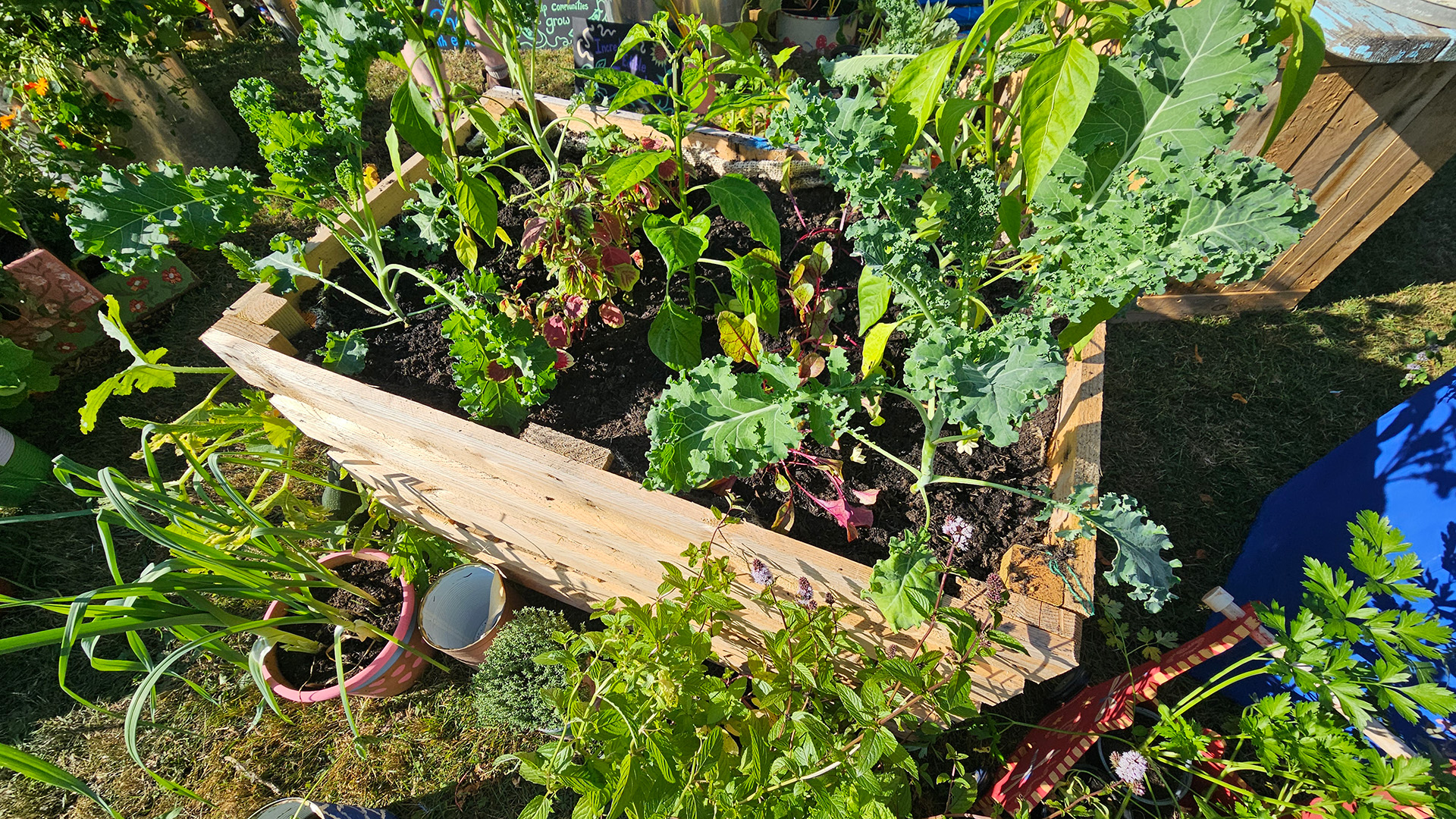
Catch cropping is one of the oldest and easiest crop-growing techniques. The idea behind it is really straightforward: whenever a patch of soil is going to sit empty for a few weeks, make the most use of it by sowing a fast-growing crop. The space doesn’t go to waste, the ground stays covered, and you get an extra harvest: a winning situation all round.
The advantages of catch cropping
Bare soil is a lost opportunity to make the most out of your growing area. If you haven’t got much space in the first place, it would be a shame to leave it empty when it could be producing vegetables or herbs.
There are also a number of practical reasons for catch cropping. Exposed soil is more vulnerable to weather events: it can become dry and compacted, waterlogged and impossible to use, and strong winds can blow nutrient-rich soil away.
Weeds find it easier to gain a foothold if there are no other plants competing for space and nutrients, so you’ll be helping to keep your growing area weed-free and usable.
A catch crop keeps the ground working, shades the surface, retains moisture, and gives you an extra crop into the bargain. When growing in a small plot or a raised bed, every square foot counts; making the most of the space available means you can get much more out of a season.
Spotting the gaps
The best opportunities become obvious once you start looking for them. Handy tips for the beginner include:
- Making the most of the weeks between clearing one major crop and planting the next
- Using the space around slow growers like brassicas, leeks or sweetcorn before they bulk out
- Exploiting the time period where tender plants that can’t go out until the last frost has passed
- Repurposing areas where something has failed or been eaten, leaving a bare gap that can be used
What to sow
Speed is of the essence when catch cropping: you want something that will be up, harvested, and out of the way before the main crop needs the room.
Radishes are the classic choice, as they can be ready to harvest in as little as four weeks. Cut-and-come-again salad leaves and rocket are almost as quick, and you can keep picking the outer leaves rather than lifting the whole plant or crown.
For variety and to give your cooking some extra ingredients, spring onions, baby spinach, and early turnips also work well, and pea shoots will give you something to pick within a fortnight.
When trying to decide what to grow, a good idea is to check the days-to-harvest figure on the seed packet, compare it against how long your gap will last, then give yourself a week or two of leeway.
Making it work
Select crops that can be sown thin and shallow: the ideal catch crops are in and out quickly, and don’t need deep preparation. Choose crops that just need a raked surface and a good watering in, are quick to plant, and are easy to harvest.
Keep them well watered, since rapid growth depends on it, and harvest promptly rather than letting them sit. There’s plenty of advice online about watering and the best time to harvest your catch crop.
For example, a radish left too long turns woody, and a lettuce left too long runs to seed and starts hogging up the space you need back.
It’s also worth sowing a short row every couple of weeks rather than everything at once. That way you get a steady trickle of harvests instead of a glut, and there’s always something coming along to fill the next gap.
Catch cropping has many benefits; it allows you to lower food bills and become more self-sustainable. You can gain new skills and knowledge, but most of all, there is that wonderful confidence boost of knowing that some of the food in your stew, casserole, or sandwich was grown by your own hand.