There’s lemon balm in the beds: Here’s what to do with it
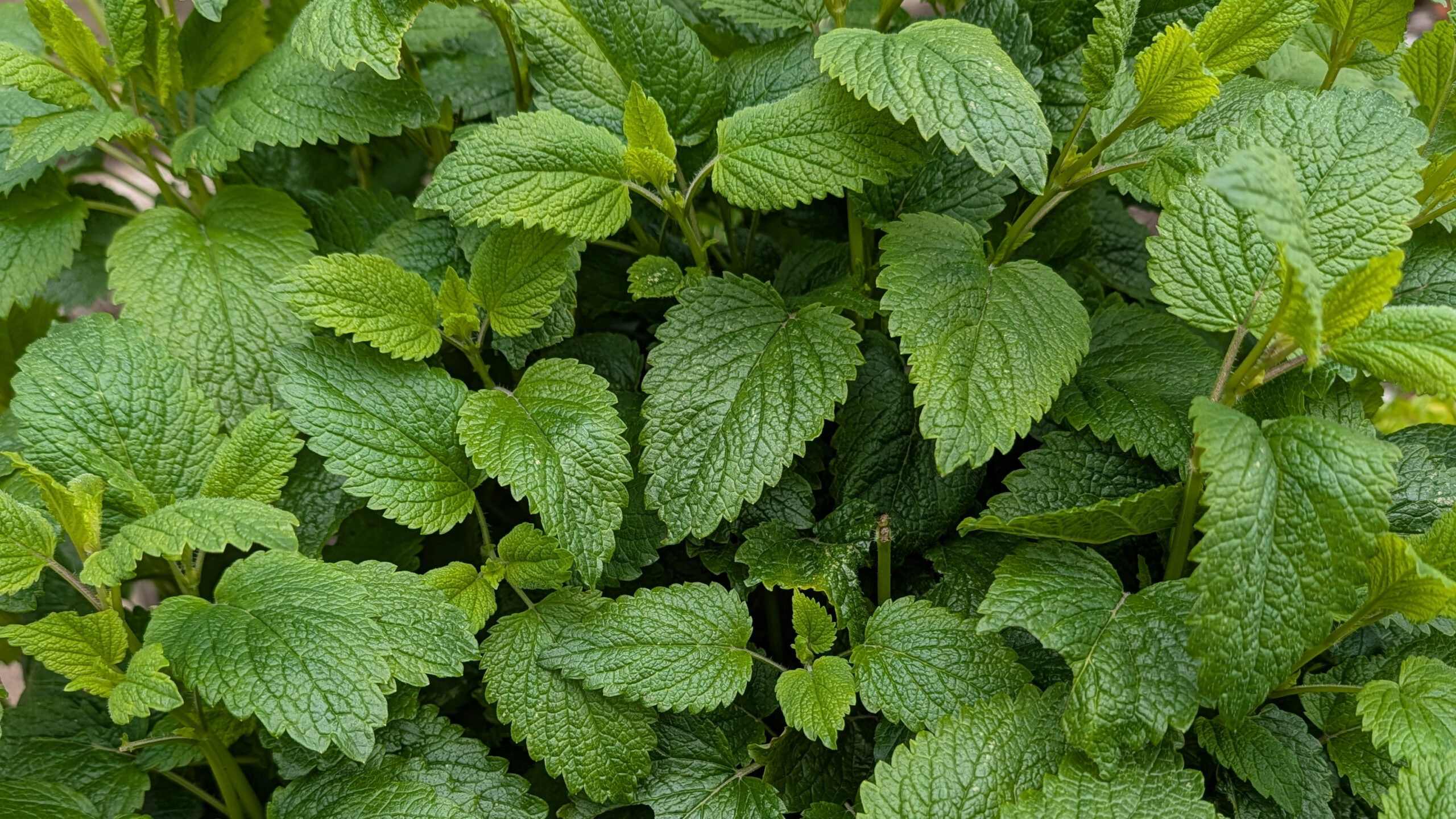
You might have noticed it — a low, soft-leaved plant that brushes against your hand and immediately fills the air with something bright and citrusy. Lemon balm has a way of making itself known.
It’s growing right now in several of our beds around Todmorden. You’ll find it at the Golden Garden, the Library Lock, the Medical Garden, and the Recovery Beds. It’s abundant, it’s generous, and the more you pick it, the better it grows. So please — pick some.
Lemon balm (Melissa officinalis) is a member of the mint family, and like mint it has a long history as both a culinary and medicinal herb. It’s been used for centuries to calm nerves, aid digestion, and lift the spirits — the old herbalists called it the “gladdening herb.”
In the kitchen, it’s one of those herbs that rewards you for paying attention. The flavour is subtle — soft lemon with a gentle floral note underneath — and it doesn’t behave like other herbs. Heat dulls it quickly, so lemon balm is at its very best used fresh, added at the last moment, or infused gently into something cold. Think of it less like rosemary and more like a tender salad leaf that happens to taste of sunshine. But if you overdo it it can be a bit ‘soapy’ so be careful.
Here is a recipe that lets it do exactly what it’s best at.
Lemon balm and honey ice cream
This one is a little more of a project, but not a difficult one — and the result is genuinely lovely. The cold temperature is perfect for lemon balm: it preserves all that delicate brightness that cooking would destroy, and the honey brings out a floral quality in the herb that you might not have expected. Make it for a warm afternoon and share it.
Serves 6 | Prep 20 mins + freezing time
Ingredients
- A generous handful of fresh lemon balm leaves (about 25g)
- 300ml whole milk
- 300ml double cream
- 3 tablespoons of good runny honey (local if you can get it)
- 4 egg yolks
- 60g caster sugar
- A pinch of salt
Method
- Warm the milk gently in a saucepan until it just begins to steam — don’t let it boil. Take it off the heat, add the lemon balm leaves, and leave to infuse for 20 minutes. The milk will take on a faint green tinge and smell extraordinary. Strain out the leaves and discard them.
- Whisk the egg yolks, sugar, and honey together in a bowl until pale and slightly thickened. Pour the warm lemon balm milk over the egg mixture slowly, whisking as you go, then return everything to the pan.
- Cook over a low heat, stirring constantly with a wooden spoon, until the custard thickens enough to coat the back of the spoon — around 8–10 minutes. Don’t rush it, and don’t let it boil. Remove from the heat, add the cream and the pinch of salt, and stir to combine.
- Leave to cool completely, then churn in an ice cream machine according to the manufacturer’s instructions. If you don’t have a machine, pour the cooled mixture into a shallow freezer container and freeze for an hour, then beat it vigorously with a fork or whisk to break up the ice crystals. Repeat twice more at hourly intervals, then leave to freeze solid.
- Take it out of the freezer ten minutes before serving. It’s good on its own; it’s even better with a shortbread biscuit alongside.
You can use the same infused milk method to make a simple lemon balm panna cotta if you prefer something without eggs — just replace the custard stage with a gelatine set. The herb works beautifully either way.
Lemon balm is one of those plants that rewards a closer look. It’s in our beds because it’s useful, and because it’s beautiful.
Pick some. Cook something. Tell us how it goes.