Companion planting for pests and pollinators
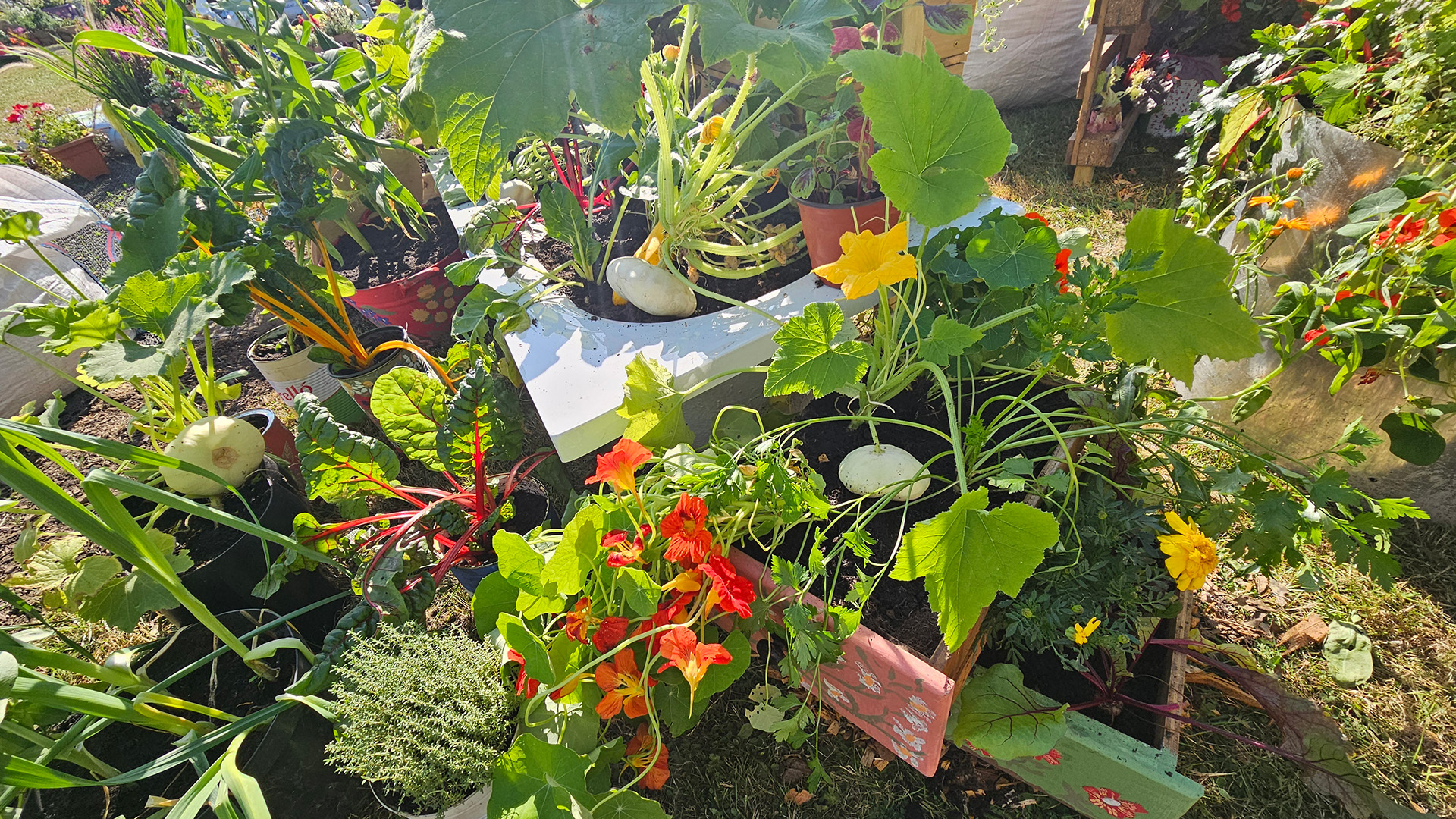
Companion planting is a great and simple option for keeping your fruit safe from harm. By growing certain plants alongside each other, they can confuse pests, attract the insects that eat them, and pull in pollinators to set your fruit. It’s not a magic fix, but as part of a mixed, well-planted plot, it makes a real difference.
Confusing the pests
Many pests locate their target by smell, so strongly scented plants can throw them off the scent. Onions, garlic, and chives planted near carrots help mask the carrot scent that attracts carrot fly. French marigolds give off a scent that deters whitefly, which is why you’ll often see them tucked among tomatoes in a greenhouse.
Ever wonder why your nasturtiums have been eaten, but nearby plants are unaffected? Blackflies go for them in preference to planted beans, so you can grow them nearby as a ‘sacrificial crop’ and let them be a distraction for hungry flies. If you have a working garden, or even an ornamental one, they are a viable alternative to using a lot of chemicals.
Bringing in the predators
The most effective organic pest control is usually something that eats the pests. Ladybirds, hoverflies, and lacewings all get through enormous numbers of aphids, and they’re drawn in by open, easy-access flowers. Calendula is long-flowering and simple for insects to feed on, while yarrow and achillea also flower for months. If fennel, dill, and coriander are left to flower instead of being picked, they can carry out the same role and add some lovely fragrances to your growing area.
Pulling in pollinators
Beans, squashes, courgettes, and fruit all need pollinating to crop properly, and a plot with flowers in it will always do better than one without. Borage is a great option: bees work it constantly, and the flowers are edible. Lavender and single-flowered varieties of most cottage plants all pull their weight. Herbs left to flower do just as well as anything purely ornamental. We let some of our mint and basil in our gardens flower.
Aim for something in bloom from early spring through to autumn, so there’s always a reason for insects to visit. Even better, you’ll get some extra visual appeal too!
Getting started
There’s no need to redesign anything, just work with what you already have. Options include slotting a few flowers into gaps at the ends of beds, tucking marigolds between tomatoes, edging a path with chives, and letting a couple of herbs run to flower rather than cutting them back. A mixed, slightly untidy plot is far more resilient than neat rows of a single crop, and can add a burst of colour to a working garden or plot.
Plant for the insects as well as yourself, and a good deal of the pest control will look after itself. You’ll also bring more birdlife to your growing spot, so not only will you get a better crop, you’ll be helping your local ecosystem to thrive. Best of all, companion planting doesn’t involve a lot of extra work, so you get a lot of benefits for a small outlay in time and effort.